Evaluating Decorative Garden Gate and Iron Gate Designs for Your Landscape
Selecting the right entry point for a garden is a decision that balances aesthetic appeal with functional security. A decorative garden gate serves as more than just a barrier; it acts as a focal point that sets the tone for the entire landscape. Among the various materials available, iron remains a premier choice for those seeking durability combined with intricate design possibilities. When homeowners or landscape architects evaluate options, understanding the nuances of iron craftsmanship versus other materials is essential for making an informed investment.
Understanding the Appeal of Iron Gates
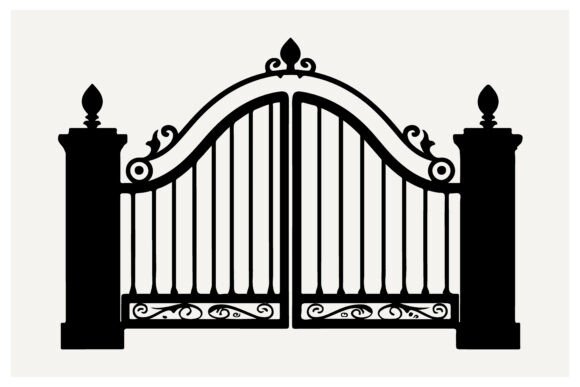
An iron gate is defined by its strength and versatility. Historically, wrought iron has been used to secure properties while showcasing the skill of the blacksmith through scrolls, finials, and custom motifs. Today, the term often encompasses both traditional wrought iron and modern steel variants that offer similar visual characteristics but with different maintenance profiles. The primary reason individuals gravitate toward these structures is their ability to provide robust security without creating a fortress-like appearance. Unlike solid wood or vinyl fences that block views, an iron gate allows visibility, maintaining an open feel while clearly demarcating property lines.
The interest in decorative elements stems from the desire to personalize outdoor spaces. A generic, mass-produced gate may suffice for basic utility, but a custom-designed piece adds character. Homeowners often look for designs that complement their architectural style, whether it is a Victorian home requiring ornate scrollwork or a modern residence benefiting from clean, geometric lines. The capacity for customization makes iron a compelling option for those who view their garden gate as a piece of art rather than a mere commodity.
Benefits and Long-Term Value
One of the most significant advantages of choosing a high-quality iron gate is its longevity. Properly treated iron can withstand harsh weather conditions, including heavy rain, snow, and intense sun, far better than many organic materials. While wood is susceptible to rot, warping, and insect damage, iron maintains its structural integrity over decades. This durability translates into long-term value, as the need for replacement is significantly reduced compared to less resilient materials.
Furthermore, iron gates offer superior security. The inherent strength of the metal makes it difficult to breach, providing peace of mind for property owners. When combined with high-quality locking mechanisms, an iron gate becomes a formidable deterrent against unauthorized entry. Additionally, because the design is often open, it eliminates hiding spots for intruders, allowing neighbors or passersby to see through to the property, which can act as a natural surveillance measure.
Design Flexibility and Customization
The aesthetic potential of iron is virtually limitless. Designers can manipulate the metal into complex shapes, allowing for unique patterns that reflect personal taste. From classic fleur-de-lis motifs to contemporary abstract forms, the material adapts to various design languages. For those interested in digital planning or custom fabrication, having access to precise design files is crucial. Professionals often utilize vector formats, such as EPS 10 files, to visualize how a specific pattern will look at scale or to send exact specifications to a fabricator. These files ensure that the intricate details of a decorative gate are preserved accurately during the manufacturing process, whether using laser cutting or traditional forging techniques.
Tradeoffs and Maintenance Considerations
Despite the numerous benefits, there are tradeoffs to consider when selecting an iron gate. The most notable concern is maintenance. While durable, iron is prone to oxidation (rust) if not properly coated or maintained. Homeowners must be prepared to inspect the gate periodically for chips in the paint or powder coating and touch up these areas promptly to prevent corrosion. In coastal regions where salt air accelerates rusting, this maintenance requirement becomes even more critical. Galvanized steel or powder-coated finishes can mitigate this issue, but they do not eliminate the need for occasional care.
Cost is another factor. High-quality decorative iron gates are generally more expensive upfront than wood, chain-link, or vinyl alternatives. The cost reflects the material price, the labor intensity of fabrication, and the finishing processes required. However, when evaluated over the lifespan of the product, the cost-per-year may be lower due to the extended durability of iron. Buyers should weigh the initial investment against the expected lifespan and the value added to the property.
Situations Where Iron is the Ideal Fit
An iron gate is a strong fit for properties where security and curb appeal are top priorities. It is particularly suitable for formal gardens, estate entrances, and urban townhouses where space is limited but style is paramount. The transparency of the design works well in small yards, as it does not visually shrink the space. Additionally, for historic restorations, iron is often the only historically accurate choice, ensuring the property maintains its architectural integrity.
For designers and fabricators, having access to high-accuracy design assets is vital. A comprehensive package might include vector files for editing in software like Adobe Illustrator and high-resolution raster images for presentations. Ensuring that these files are accessible—often distributed in compressed formats like ZIP folders requiring tools such as WinZip or WinRAR—allows professionals to integrate these designs seamlessly into their workflows. This level of detail supports the creation of bespoke gates that meet exact client specifications.
When to Consider Alternatives
There are scenarios where alternatives to iron may be more appropriate. For homeowners on a strict budget who cannot accommodate the higher initial cost, wood or vinyl might be more feasible short-term solutions. Similarly, in environments with extreme humidity and salt exposure where maintenance access is difficult, aluminum or composite materials might offer a better balance of corrosion resistance and low upkeep, even if they lack the same heft and traditional prestige of iron.
Privacy is another consideration. If the primary goal is to completely block the view from the street, a solid wood or masonry wall with a matching gate would be more effective than an open iron design. While iron can be fitted with privacy slats or backing, this adds complexity and cost, potentially negating some of its aesthetic advantages.
Making the Final Decision
Ultimately, choosing a decorative garden gate involves aligning your specific needs with the characteristics of the material. Evaluate your local climate, your willingness to perform maintenance, your security requirements, and your budget. If you prioritize a timeless look, maximum security, and the ability to customize every detail, an iron gate is likely the superior choice. By carefully weighing these factors, you can select a gate that not only secures your property but also enhances its overall beauty and value for years to come.