Unlocking the Beauty of Fish Scale Patterns: A Guide to Decorative Structures for Roofs and Walls
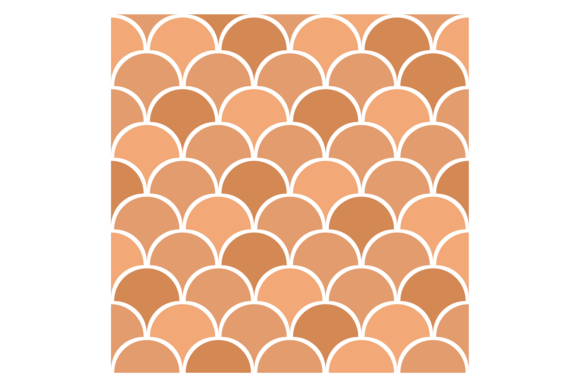
Throughout history, humanity has looked to nature for inspiration in architecture and design. Few natural motifs are as enduring, versatile, and visually captivating as the fish scale pattern. Also known as scallop shingles or imbricated tiling, this decorative structure mimics the overlapping layers found on the skin of a fish or the feathers of a bird. While it originated as a highly functional method for waterproofing roofs and walls, today it stands as a premier choice for aesthetic enhancement in both traditional and modern settings.
Whether you are an architect, a homeowner planning a renovation, or a graphic designer seeking organic textures, understanding the fish scale pattern offers a gateway to blending form and function. This article explores the origins, applications, and digital availability of this timeless design, helping you appreciate why it remains a staple in construction and creativity.
The Origins and Evolution of a Natural Motif
The concept of the fish scale pattern is rooted in biomimicry, the practice of emulating nature's patterns and strategies to solve human problems. In nature, scales overlap to create a flexible yet impermeable barrier that protects the organism while allowing for movement. Early builders observed this efficiency and adapted it to construction.
Historically, this pattern was popularized in Europe, particularly in France and Germany, during the medieval and Renaissance periods. Craftsmen used slate, clay, or wood to cut semi-circular or diamond-shaped tiles. When layered correctly, these tiles created a decorative structure that was not only beautiful but also incredibly durable against rain and wind. The overlapping nature ensured that water flowed smoothly off the surface without seeping into the underlying structure.
Over centuries, the pattern evolved from a purely utilitarian necessity into a symbol of craftsmanship and elegance. Today, it transcends its historical roots, appearing in everything from historic district restorations to cutting-edge contemporary facades.
Why Choose a Fish Scale Design?
The enduring popularity of the fish scale pattern is no accident. It offers a unique combination of benefits that few other architectural elements can match:
- Visual Depth and Texture: Unlike flat siding or standard rectangular shingles, the curved or angled edges of fish scale tiles create shadows and highlights that change throughout the day. This adds a three-dimensional quality to walls and roofs.
- Superior Weather Resistance: The imbricated (overlapping) layout provides multiple layers of protection. If one tile is compromised, the surrounding tiles often maintain the seal, preventing leaks.
- Versatility in Material: This pattern is not limited to one material. It can be executed in slate, copper, zinc, clay, cedar shakes, and even synthetic composites, allowing it to fit various budgets and aesthetic preferences.
- Historical Charm: For heritage buildings, using a fish scale pattern is often essential for maintaining historical accuracy and preserving the character of the structure.
Applications in Modern Architecture
In modern life, the fish scale pattern has found new life beyond the rooftop. While it remains a gold standard for roofing, architects and interior designers are increasingly applying this decorative structure to vertical surfaces and interior spaces.
Roofing: The Classic Application
On a roof, the fish scale pattern is arguably at its most effective. It is frequently seen on turrets, domes, and steeply pitched gables where the curvature of the tiles complements the architecture. Materials like copper develop a beautiful patina over time, turning from bright metallic orange to a distinguished verdigris green, enhancing the visual appeal of the scale effect.
Wall Cladding and Facades
Moving away from the roof, fish scale cladding is a trending feature on exterior walls. It breaks up the monotony of large flat surfaces, adding rhythm and movement to a building's facade. In commercial real estate, this texture can make a business stand out, signaling attention to detail and a commitment to quality design.
Interior Design and Creativity
The influence of the fish scale pattern extends indoors. You might see it in bathroom tiling, kitchen backsplashes, or even as a textured wallpaper feature wall. In the world of graphic design and branding, the pattern is used to convey concepts of fluidity, protection, and organic growth. Its repetitive yet dynamic nature makes it an excellent background for logos, packaging, and digital interfaces.
Digital Assets: Vector Illustrations and File Formats
For designers, architects, and content creators, having access to high-quality digital representations of the fish scale pattern is crucial. Whether you are creating a rendering for a client, designing a marketing brochure, or developing a texture for a 3D model, the right file format makes all the difference.
Modern technology allows us to capture the intricate details of this decorative structure in various digital formats, each serving a specific purpose:
- Vector Illustration (EPS and SVG): These are the gold standards for scalability. An EPS (Encapsulated PostScript) or SVG (Scalable Vector Graphics) file allows you to resize the fish scale pattern from the size of a business card to a billboard without losing any resolution or clarity. This is essential for professional printing and web design where crisp lines are mandatory.
- Raster Images (JPG): High-resolution JPG files are perfect for photographs and realistic renderings where complex color gradients and lighting effects need to be preserved. They are widely compatible and easy to share across different platforms.
- Transparent PNG: Perhaps the most versatile for composite work, a transparent PNG allows the fish scale pattern to be overlaid onto any background without a white box surrounding it. This is ideal for mockups, allowing designers to visualize how the texture would look on a specific wall color or material instantly.
Having access to these formats ensures that the beauty of the fish scale pattern can be integrated seamlessly into both physical construction plans and digital media campaigns.
Common Misunderstandings and Clarifications
Despite its popularity, there are a few misconceptions surrounding the fish scale pattern that deserve clarification.
Misconception 1: It is too expensive for average homeowners.
While hand-cut slate or copper fish scale roofing can be a premium investment, the pattern itself is not cost-prohibitive. Modern manufacturing has produced asphalt shingles and fiber cement panels pre-cut in fish scale shapes that offer the same aesthetic at a fraction of the cost. The "pattern" is a design choice, not exclusively a luxury material choice.
Misconception 2: It is only suitable for historical homes.
On the contrary, the geometric precision of the fish scale pattern fits beautifully with modern minimalist architecture. When used with monochromatic materials like black zinc or grey slate, it adds subtle texture to contemporary structures without feeling ornate or old-fashioned.
Misconception 3: Maintenance is difficult.
Because of the overlapping nature of the design, debris tends to slide off easily, especially on roofs. Furthermore, because the pattern distributes stress evenly across the surface, it is often more resistant to cracking than large, single-piece tiles.
Building a Broader Understanding
The fish scale pattern is more than just a pretty arrangement of tiles; it is a testament to the harmony between nature and human ingenuity. It represents a solution that has stood the test of time, adapting from ancient protective gear to modern decorative statements.
For those working in business and education, understanding such patterns fosters a deeper appreciation for design thinking. It teaches us that functionality does not have to sacrifice beauty. In technology and creativity, the digitization of these patterns into vector illustrations and transparent PNGs bridges the gap between physical craftsmanship and digital innovation.
Whether you are looking to renovate your home, design a new brand identity, or simply appreciate the architectural details around you, the fish scale pattern offers a rich tapestry of history, utility, and art. By recognizing its value, we can better incorporate organic, resilient, and beautiful structures into our daily lives.
As we move forward in an era that values sustainability and aesthetic integrity, the lessons learned from the simple fish scale remain relevant. It reminds us that the best designs are often those that mimic the efficiency and elegance of the natural world.